Destin’s sugar-white sand and emerald-green water bring visitors to Florida’s Emerald Coast for beach days, dolphin cruises, fishing adventures, and beautiful Gulf sunsets. But from spring through fall, there’s another reason to appreciate our beaches: sea turtle nesting season.
Each year, female sea turtles return to the shoreline to lay eggs, often making their way onto the sand after dark while most beachgoers sleep. A loggerhead nest typically contains around 100 eggs, and females may lay several nests throughout the season, according to NOAA Fisheries. Weeks later, tiny hatchlings begin their journey toward the Gulf.
And while spotting a sea turtle in the wild is never guaranteed, discovering tracks in the morning sand or seeing a protected nest can make an ordinary beach walk feel pretty special. It’s one of the many incredible wildlife encounters you can experience along the Emerald Coast.
Whether you’re planning a family vacation in Destin, staying in nearby Miramar Beach, or simply love discovering the natural side of the coast, here’s what to know about sea turtle nesting season, when turtles hatch, where to look for signs of activity, and how to enjoy this experience while helping protect these amazing animals.
When Is Sea Turtle Nesting Season in Destin?
One of the most fascinating things about sea turtles is their ability to find their way back to the same general area where they hatched, sometimes decades later.
This incredible behavior is called natal homing. Researchers believe sea turtles use the Earth’s magnetic field to help navigate across the ocean and return to their natal region when it’s time to nest.
Some travel hundreds or even thousands of miles to make that journey. And every year, the beaches of Destin and the surrounding Emerald Coast become part of this remarkable natural cycle.
Nesting Season Runs May Through October
Sea turtle nesting season in Destin, Florida, generally runs from May 1 through October 31.
During these months, female loggerhead sea turtles come ashore along Destin and Okaloosa County beaches to lay their eggs, usually at night when the shoreline is quieter.
Local sea turtle monitoring teams survey the beaches during nesting season, documenting tracks, identifying new nests, and marking protected nesting areas.
While nesting activity varies each year, the Florida Fish and Wildlife Conservation Commission identifies May through October as the primary nesting period for much of Florida, with some regions seeing activity earlier.
For visitors planning a spring, summer, or fall vacation, it’s another reason to appreciate the natural beauty of the Emerald Coast.
When Do Sea Turtles Hatch in Florida?
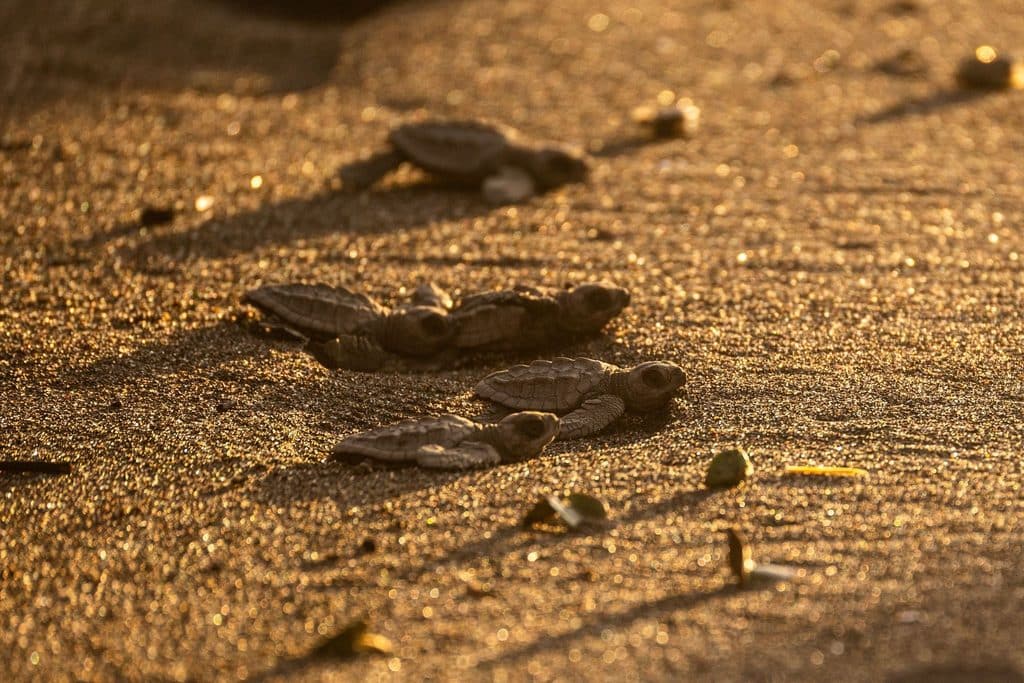
Sea turtle eggs typically incubate in the warm sand for approximately 45–70 days, although the exact timing depends on factors such as sand temperature and weather conditions.
That means nests laid early in the season may begin hatching during the summer, while later nests can produce hatchlings into the fall.
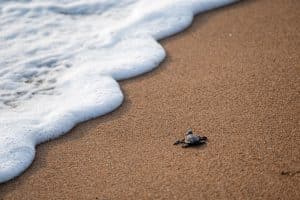
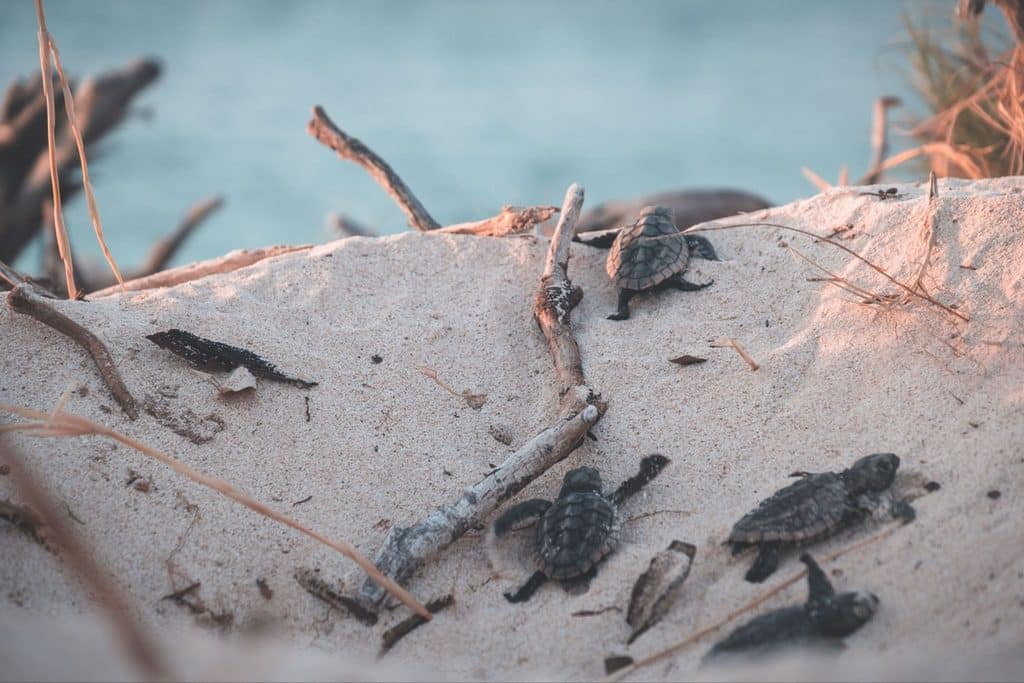
When they’re ready, hatchlings generally emerge together after dark and begin making their way toward the Gulf.
They use the natural brightness of the open horizon over the water to help guide them, which is why keeping beachfront lighting to a minimum during nesting season is so important.
Best Time of Day to Spot Sea Turtle Tracks, Nests, and Hatchlings
If you’re hoping to see signs of sea turtle nesting activity during your Destin vacation, early morning is one of the best times to walk the beach.
Nesting sea turtles leave distinctive tracks in the sand as they travel between the Gulf and their nesting sites. Before beach traffic, wind, and tides erase those tracks, you may be able to see evidence of a turtle that came ashore overnight.
You might also notice marked nests surrounded by stakes, tape, or informational signs. These protected areas help give developing hatchlings the best possible chance of reaching the water safely.
So if you’re staying near the beach, consider setting your alarm a little earlier one morning. Grab your coffee, enjoy the Gulf breeze, and see what the shoreline has to offer.
Actually witnessing hatchlings emerge is much less predictable. Hatching usually happens at night, and visitors should never gather around nests, use lights to search for hatchlings, or interfere with their journey to the Gulf.
If you’re interested in an organized sea turtle experience, look for educational programs offered by authorized conservation organizations rather than attempting to observe an active nest independently.
Sea Turtle Species That Nest on the Emerald Coast
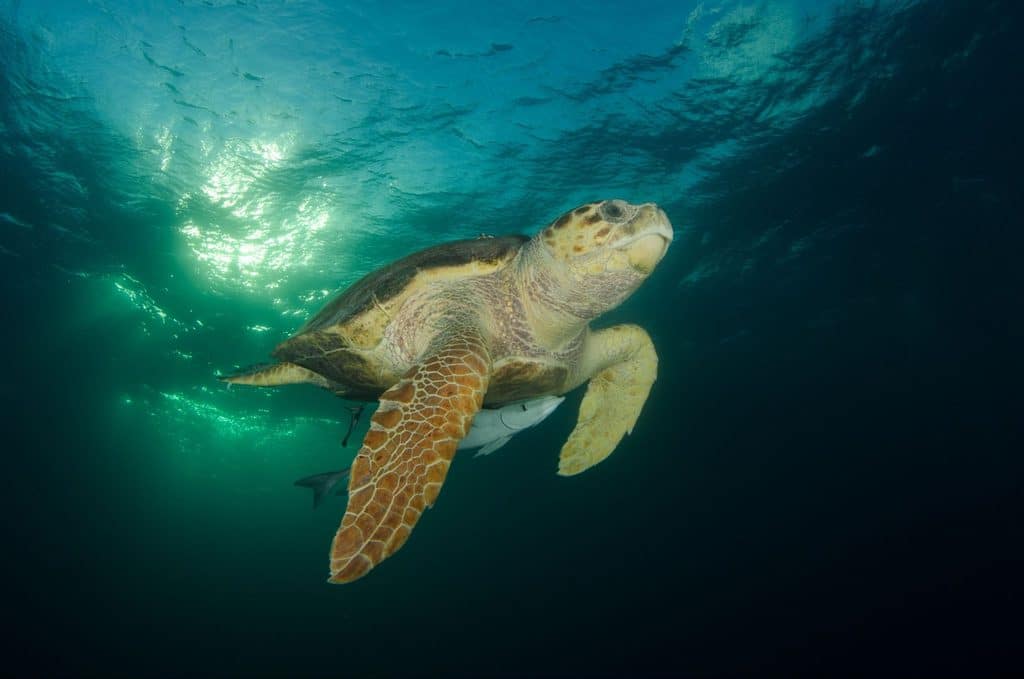
Did you know that several species of sea turtles can be found in the waters along Florida’s Emerald Coast?
Loggerheads account for most nesting activity on beaches in Destin and the surrounding area, but green sea turtles and Kemp’s ridleys have also been documented nesting along Northwest Florida’s coastline, although much less frequently.
Loggerhead sea turtles are the most common nesting species in the Destin area. They’re easily recognized by their large, blocky heads and powerful jaws, which help them feed on crabs and other hard-shelled marine animals.
Green sea turtles get their name from the greenish color of the fat beneath their shells, not the color of their outer shells. As adults, they primarily feed on seagrass and algae and can occasionally be spotted swimming in the Gulf.
Kemp’s ridley sea turtles are among the most endangered sea turtles in the world. They’re also the smallest sea turtle species found in the Gulf of Mexico and are known for their unusual daytime nesting behavior, particularly at their primary nesting beaches.
You can learn more about these rare turtles through NOAA Fisheries.
While spotting one of these incredible animals in the wild is never guaranteed, knowing a little about the species that share our coastline makes exploring the Emerald Coast even more special.
Where to See Sea Turtles in Destin
Wondering where you might see sea turtles during your Destin vacation?
While spotting a sea turtle in the wild is never guaranteed, several beautiful locations along the Emerald Coast offer opportunities to discover nesting activity, explore protected coastal habitats, and learn more about these incredible animals.
From peaceful morning beach walks to educational experiences the whole family can enjoy, here are a few places worth adding to your itinerary.
Henderson Beach State Park
Located in Destin, Henderson Beach State Park is one of the area’s most beautiful places to experience the natural side of the Emerald Coast.
The park protects approximately 208 acres of coastal habitat, including nearly 6,000 feet of sugar-white shoreline and dunes that rise as high as 30 feet.
Its protected dunes and relatively undeveloped shoreline provide important habitat for coastal wildlife, including nesting sea turtles.
During nesting season, an early morning walk may reveal turtle tracks or marked nesting areas. Just remember to admire them from a distance and stay clear of protected nests.
Even if you don’t spot any signs of sea turtle activity, Henderson Beach State Park is well worth visiting for its beautiful Gulf views, nature trails, and quieter beach atmosphere.
Okaloosa Island and the Island Pier
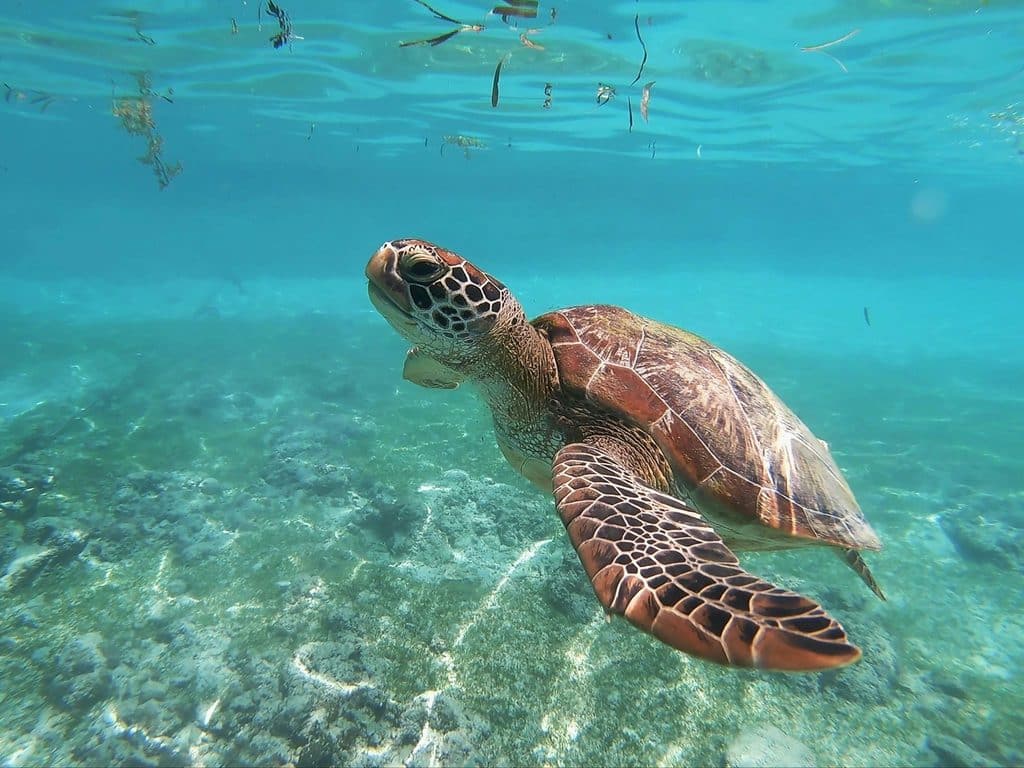
Just west of Destin, Okaloosa Island stretches between Fort Walton Beach and the East Pass area, offering another beautiful place to enjoy the Gulf Coast.
The shoreline is monitored for sea turtle nesting activity, and visitors may occasionally notice tracks or marked nests during the season.
For a different perspective, head to the Island Pier, where you can look out over the emerald-green water and watch for marine life below.
Sea turtles are sometimes spotted swimming in the Gulf, although sightings depend on water conditions and wildlife activity.
It’s a great stop for families who enjoy fishing, sightseeing, or simply spending time near the water.
Topsail Hill Preserve and Grayton Beach State Park
If you’re staying in Miramar Beach or planning to explore nearby South Walton, Topsail Hill Preserve State Park and Grayton Beach State Park are two beautiful destinations to add to your list.
Topsail Hill Preserve is known for its towering dunes, white quartz sand, and protected coastal landscapes.
Grayton Beach State Park offers another scenic stretch of shoreline where sea turtle nesting activity is monitored during the warmer months.
Both parks provide opportunities to appreciate the Emerald Coast’s natural environment away from some of the busier beach access points.
Pack your beach essentials, enjoy a morning walk, and keep an eye out for marked nesting areas along the shoreline.
Gulfarium C.A.R.E. Center
If you’d love to learn more about sea turtles during your Emerald Coast vacation, the Gulfarium C.A.R.E. Center in Fort Walton Beach is a wonderful place to start.
The center focuses on rescuing, rehabilitating, and releasing sick or injured sea turtles, giving visitors an opportunity to learn about the conservation efforts happening right here along the Gulf Coast.
Through select educational experiences, guests can get a behind-the-scenes look at the rehabilitation process and learn about the turtles receiving care.
It’s an especially meaningful experience for families with older children and anyone interested in marine wildlife.
Check the Gulfarium’s website for current experiences, age requirements, admission details, and availability before visiting.
Navarre Beach Sea Turtle Conservation Center
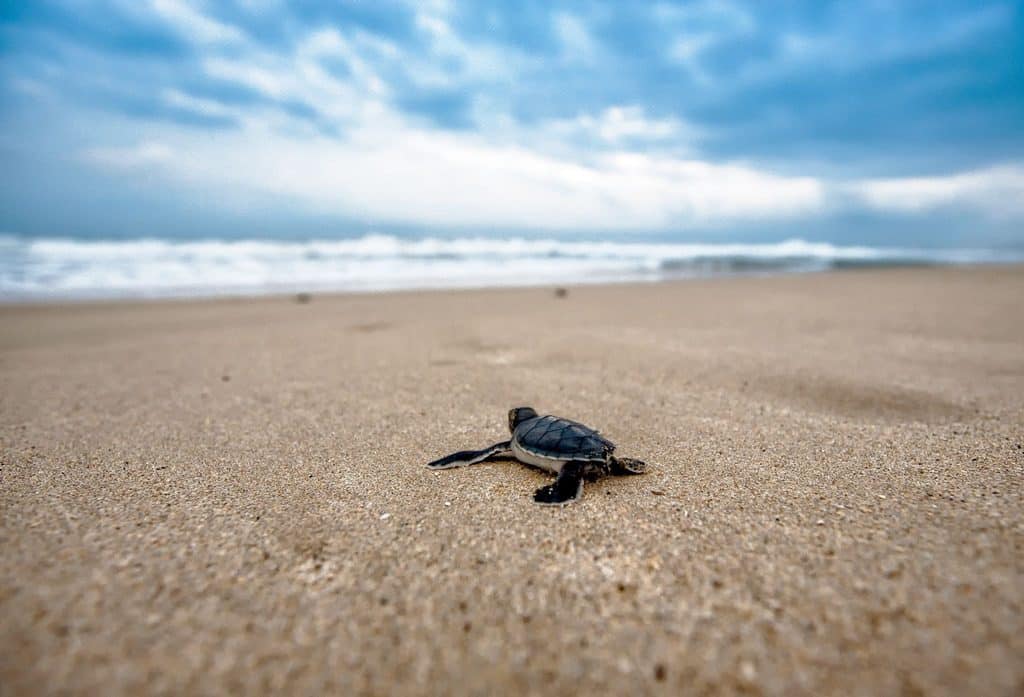
A little farther west, the Navarre Beach Sea Turtle Conservation Center is another great destination for families interested in learning about sea turtles.
Located in Navarre Beach Marine Park, the center is home to Sweet Pea, a non-releasable green sea turtle who helps educate visitors about marine conservation.
Guests can explore educational exhibits, learn about the challenges sea turtles face, and discover simple ways to help protect coastal wildlife.
It’s a fun and educational addition to an Emerald Coast day trip, especially if you’re traveling with children.
Hours, admission prices, and tour availability may change seasonally, so we recommend checking the center’s website before making the drive.
Public Sea Turtle Releases at James Lee Park
Every so often, the Gulfarium C.A.R.E. Center celebrates an important milestone: returning a rehabilitated sea turtle to the Gulf.
Some public releases have taken place at James Lee Park on the east end of Destin, giving visitors an opportunity to witness the final step in a turtle’s recovery journey.
These releases aren’t regularly scheduled attractions. They depend entirely on when a rehabilitated turtle is healthy and ready to return to the wild.
If you’re planning a trip during sea turtle season, keep an eye on the C.A.R.E. Center’s event listings for any upcoming public release announcements.
If one happens to coincide with your vacation, it could be a pretty unforgettable experience.
Sea Turtle Rules for Destin Beachgoers
One of the best things about visiting the Emerald Coast during sea turtle season is knowing that the same beautiful beaches we enjoy are also important nesting habitats.
And protecting them doesn’t have to be complicated.
A few simple habits can make a big difference for nesting sea turtles and their hatchlings.
Lights Out After Dark

Did you know that artificial lighting is one of the biggest challenges sea turtle hatchlings face?
When baby turtles emerge from their nests, they instinctively move toward the naturally brighter horizon over the Gulf.
Bright lights from beachfront properties, flashlights, phones, and other sources can confuse hatchlings and lead them away from the water.
If you’re staying in a beachfront vacation rental during nesting season, help protect sea turtles by turning off unnecessary outdoor lights, closing beachfront curtains after dark, and avoiding flashlights or phone lights on the sand.
And if you happen to encounter a nesting turtle or hatchlings, never use flash photography.
Fill Your Holes and Flatten Sandcastles
Building sandcastles, digging holes, and spending an afternoon playing in the sand are some of the best parts of a family beach vacation.
But before you pack up for the day, take a few minutes to leave the beach the way you found it.
Deep holes can trap hatchlings or obstruct nesting females, while sandcastles and other structures can create obstacles between the dunes and the Gulf.
Before heading inside, fill in any holes, flatten sandcastles, and remove your beach chairs, umbrellas, tents, and toys.
It’s a simple end-of-day routine that helps keep the shoreline safer for wildlife overnight.
Stay Clear of Marked Nests and Nesting Turtles
If you notice a sea turtle nest marked with stakes, tape, or informational signs, please leave the area undisturbed.
These markers are placed by authorized monitoring teams to help protect developing eggs and hatchlings.
If you encounter a nesting sea turtle, stay well back, follow any posted distance requirements, and never block its path to or from the Gulf.
Avoid crowding the turtle, making loud noises, shining lights, or attempting to touch it.
Sea turtles, their nests, and their eggs are protected under state and federal law.
The best way to enjoy an encounter is to observe quietly from a safe distance and let nature take its course.
What to Do If You Find a Sea Turtle, Nest, or Hatchling
Coming across a sea turtle or hatchling during your Destin vacation would be an unforgettable experience.
But knowing what to do in that moment is just as important as the sighting itself.
If you encounter a nesting sea turtle, stay back, remain quiet, turn off any lights, and make sure the turtle has a clear path between the water and its nesting area.
Never touch the turtle, follow it closely, or attempt to help it dig or return to the Gulf.
If you discover hatchlings, remember that their journey across the sand is a natural and important part of their development.
- Keep people and pets a safe distance away.
- Turn off flashlights, phone lights, and other nearby lighting.
- Never pick up hatchlings or carry them to the water.
- Keep their path to the Gulf clear.
- Contact trained wildlife responders if hatchlings appear injured, trapped, or disoriented.
If you discover an injured or distressed sea turtle, contact the Florida Fish and Wildlife Conservation Commission through its Wildlife Alert Hotline at 888-404-FWCC (888-404-3922).
You can also find official reporting information through the FWC website.
Remember, the goal is always to protect the turtles while allowing them to behave naturally.
Where to Stay for Sea Turtle Season in Destin
There’s something pretty special about waking up near the Gulf during sea turtle season.
Maybe it’s stepping onto your balcony with a fresh cup of coffee while the sun comes up. Maybe it’s enjoying a quiet morning walk before the beach gets busy. Or maybe it’s discovering sea turtle tracks in the sand and realizing what happened along the shoreline while you were sleeping.
Those are the little moments that make an Emerald Coast vacation so memorable.
At Gulf Style Rentals, we love helping guests experience more than just the beach. We want you to discover everything that makes Destin, Miramar Beach, and Panama City Beach such incredible places to visit.
Our collection of professionally managed vacation rentals includes beachfront condos, Gulf-view properties, and spacious homes for family vacations, couples’ getaways, and group trips.
Whether you want to wake up steps from the sand, spend your mornings exploring the shoreline, or enjoy the convenience of nearby restaurants and attractions, there’s a place for you along the Emerald Coast.
Not sure which area is right for your trip? Explore our guide on where to stay in Destin, Florida, to find the best location for your vacation.
And when you’re ready to plan your getaway, booking directly with Gulf Style Rentals is a great way to explore our available properties and connect with a local team that knows the area.
Browse our vacation rentals or get in touch with our team for help finding the perfect place to stay.
We’d love to welcome you to the Emerald Coast!
Frequently Asked Questions
Can you see sea turtles in Destin, Florida?
Yes! Sea turtles live in the Gulf of Mexico, and loggerhead sea turtles nest along Destin-area beaches during nesting season, generally May through October.
While seeing a sea turtle in the wild is never guaranteed, visitors may notice turtle tracks or marked nesting areas during early morning beach walks. Sea turtles can also occasionally be spotted swimming offshore.
Are there guided turtle walks in Destin?
Organized sea turtle viewing experiences are limited and must follow Florida wildlife protection requirements.
If you’re interested in learning more about sea turtles during your vacation, check with authorized conservation organizations for current educational programs.
The Gulfarium C.A.R.E. Center in Fort Walton Beach and the Navarre Beach Sea Turtle Conservation Center are also excellent places to learn about sea turtle conservation.
Is it illegal to touch a sea turtle in Florida?
Sea turtles, hatchlings, nests, and eggs are protected under state and federal law.
Touching, harassing, disturbing, or interfering with sea turtles can violate wildlife protection laws and may result in penalties.
The safest approach is to observe from a distance and never handle sea turtles or hatchlings.
What happens if you leave lights on during turtle season?
Artificial lighting can disorient nesting sea turtles and hatchlings.
Instead of heading toward the Gulf, hatchlings may become confused by lights from buildings, roads, parking lots, or beachfront properties.
During sea turtle nesting season, turn off unnecessary beachfront lighting, close curtains facing the water after dark, and follow local lighting regulations to help protect nesting turtles and hatchlings.